Peels & Facials
Controlled Depth Peel in Houston: A Deeper Peel With Physician Oversight
A controlled depth peel is not a routine lunchtime peel. Learn how Dr. Mark Khorsandi performs this deeper physician-led peel in Houston, including anesthesia, candidacy, downtime, and recovery.
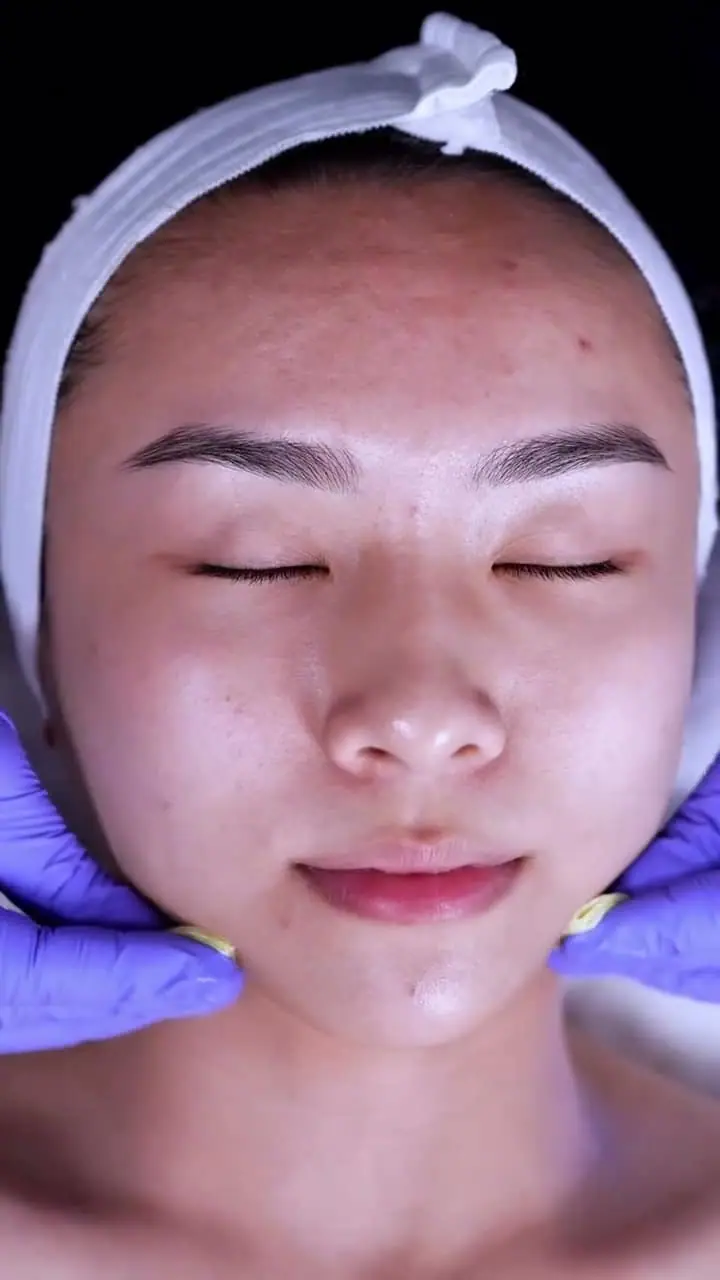
A controlled depth peel is not a normal chemical peel.
Most people hear "chemical peel" and think of a light exfoliating treatment: a little tingling, maybe a few days of flaking, then brighter skin. A controlled depth peel is different.
The term controlled depth peel refers to a deeper, physician-planned resurfacing peel where the depth of injury is intentionally controlled to create a stronger skin-renewal response. This is closer to deep resurfacing than a basic med spa peel. It may be discussed for advanced sun damage, etched lines, deeper texture, acne scarring, severe crepiness, and skin that needs more correction than a light or medium peel can reasonably deliver.
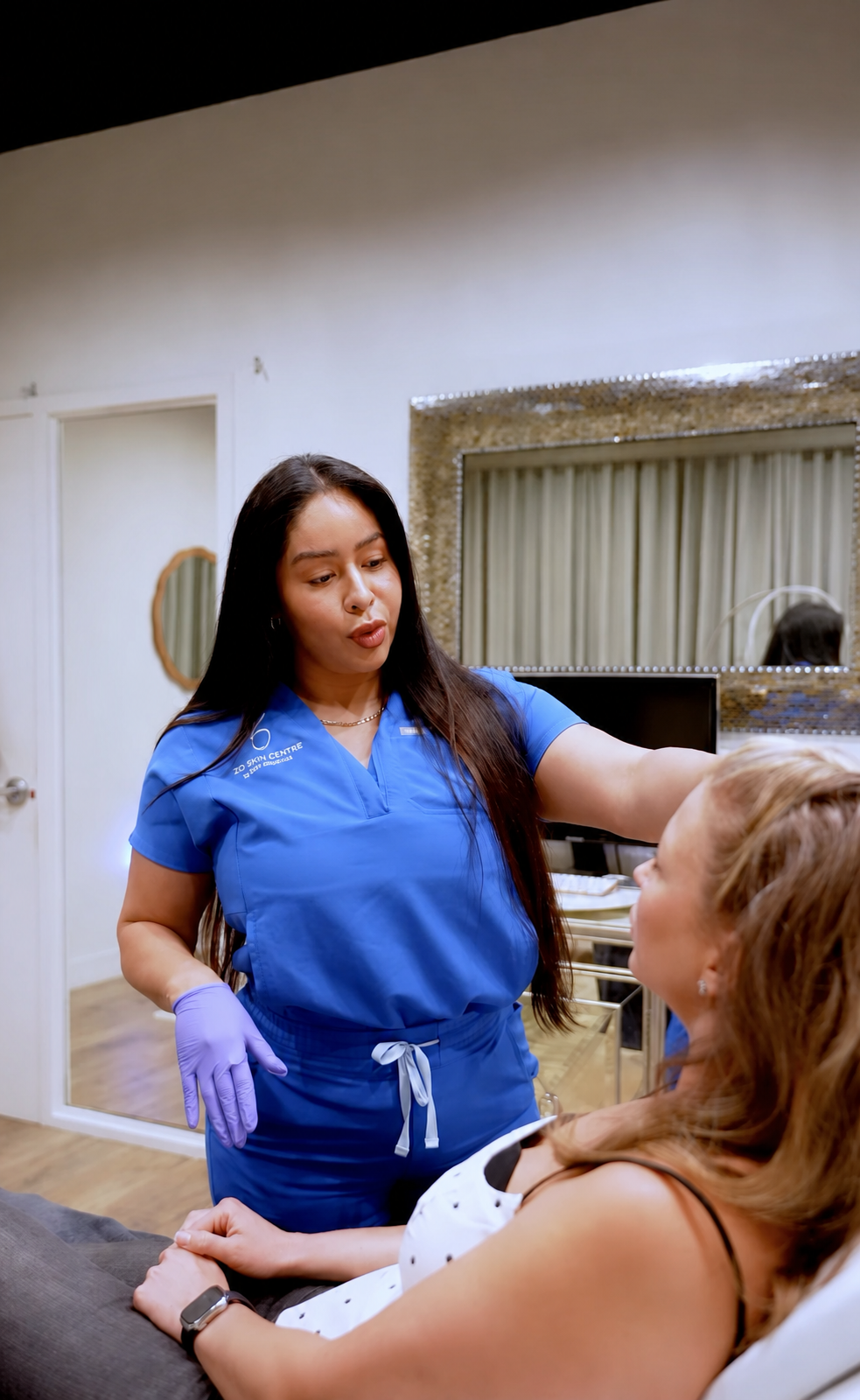
At ZO Skin Centre Houston, Dr. Mark Khorsandi performs controlled depth peel treatments with the medical judgment this category requires. This is not the peel you book casually the week before a party. It is a planned procedure with candidacy screening, anesthesia planning, downtime, and careful aftercare.
Why people in Houston search for controlled depth peels.
Houston skin sees a lot: UV exposure, heat, humidity, outdoor events, driving sun, and years of cumulative pigment and texture change. Patients searching for a controlled depth peel in Houston are often trying to correct concerns that have moved beyond a light glow treatment.
Common reasons patients ask about it include:
- Deep sun damage.
- Deeper wrinkles around the mouth or lower face.
- Acne scarring.
- Rough, weathered texture.
- Crepey skin quality.
- Uneven tone from years of UV exposure.
- A desire for more dramatic resurfacing than a standard chemical peel.
- Interest in a physician-performed alternative to certain laser resurfacing treatments.
That does not mean every patient with sun damage or texture should have a deep peel. It means the consultation has to separate normal peel candidates from true deep-resurfacing candidates.
What makes it different from a regular chemical peel?
Light peels and many medium peels work closer to the surface of the skin. They can be excellent for glow, dullness, congestion, mild discoloration, and routine maintenance. They usually involve less downtime and typically do not require anesthesia.
A controlled depth peel is different in four major ways:
- It is deeper.
- It is more selective in candidacy.
- It usually involves anesthesia or sedation planning.
- It has a longer, more serious recovery.
The deeper the peel, the more the provider must think about risk, healing, pigment, scarring, infection prevention, and systemic safety. This is why the person performing the peel matters.
Why anesthesia is usually part of the plan.
A deeper controlled depth peel can be uncomfortable in a way that a normal chemical peel is not. Light peels may feel like stinging or warmth. A deep resurfacing peel can create significant burning and pain because it reaches deeper layers of the skin.
For that reason, patients commonly undergo a deeper controlled depth peel with an anesthesia plan. Depending on the patient, treatment area, peel depth, and medical history, that may involve local anesthesia, nerve blocks, oral sedation, IV sedation, or another medically appropriate approach determined by the physician.
This is one of the clearest differences between a controlled depth peel and a routine chemical peel. If someone is telling you it is "just like a normal peel," they are probably not describing the deeper version patients usually mean when they search for a controlled depth peel.
Why Dr. Mark Khorsandi performs this treatment.
Dr. Mark Khorsandi is the founder and medical director of ZO Skin Centre Houston. His background as a physician and surgeon matters for this treatment because controlled depth peeling is not only about applying a solution. It is about medical screening, depth selection, anesthesia planning, risk management, and recovery oversight.
During the consultation, Dr. Khorsandi evaluates more than the skin concern. He looks at your medical history, medication use, skin type, healing history, pigment risk, prior procedures, sun exposure, and whether your lifestyle can support the recovery.
That judgment is the point. A deep peel can be powerful when it is the right match. It can also be the wrong choice for someone whose skin type, pigment tendency, schedule, or medical history makes another path safer.
What type of peel is this?
Deep controlled depth peels are often discussed in the same category as phenol-based or phenol-croton oil resurfacing peels, although exact formulas and techniques vary by provider and patient. These deeper peels are designed to create a controlled injury that reaches beyond the superficial surface layers.
That is why the phrase controlled depth matters. Depth determines both the potential result and the seriousness of recovery. A light peel may freshen the surface. A deep peel can address more advanced damage, but it also requires a very different safety conversation.
At your visit, Dr. Khorsandi will explain what type of peel approach is being considered, why it fits your concern, what anesthesia is recommended, and what recovery should realistically look like.
What concerns can a controlled depth peel improve?
Controlled depth peels are usually considered for more advanced or stubborn concerns, such as:
- Deep sun damage.
- Coarse texture.
- Etched lines.
- Wrinkles around the mouth.
- Acne scarring.
- Weathered or crepey skin.
- Uneven skin quality that has not responded enough to lighter treatments.
For mild dullness, clogged pores, or pre-event glow, a lighter peel, HydraFacial®, or ZO product adjustment may make more sense. For pigment, redness, or certain texture concerns, your provider may compare a controlled depth peel with laser treatments, Lumecca IPL, microneedling, or Morpheus8®.
Who may not be a candidate?
Not everyone is a good candidate for a deep controlled depth peel. Dr. Khorsandi may recommend a different plan if you have:
- Higher pigment risk or a history of post-inflammatory hyperpigmentation.
- Certain darker skin types where deep peeling may carry greater pigment or scarring risk.
- Active infection, open lesions, or poor wound healing history.
- Recent heavy sun exposure.
- A compromised skin barrier.
- Medical conditions or medications that affect healing or anesthesia safety.
- A calendar that cannot support real downtime.
- Expectations that do not match what a deep peel can safely do.
For some Houston patients, the better plan may be staged ZO Skin Health prep, pigment control, lighter peels, lasers, or a maintenance program before considering anything deeper.
How recovery is different.
Recovery from a controlled depth peel is not like a light chemical peel. With a normal light peel, many patients have mild dryness or flaking, the timeline covered in the standard peel aftercare guide. With a deeper controlled depth peel, the treated skin may go through more intense stages of redness, swelling, crusting, peeling, tenderness, and prolonged pinkness.
The early recovery phase can be socially limiting. Some patients need meaningful downtime before they feel ready for work, photos, or social events. Pinkness or redness can last longer than the initial peeling phase. Sun protection is not optional, especially in Houston.
Your aftercare may include careful cleansing, occlusive ointment or barrier support, strict sun avoidance, prescribed or recommended products, and instructions about when to restart active skin care. Do not pick, scrub, exfoliate, or rush the healing process.
Why Houston sun exposure changes the plan.
Houston is not a neutral environment for peel recovery. UV exposure, heat, sweating, outdoor errands, sports, patios, and driving sun can all increase irritation and pigment risk after resurfacing.
That is why timing matters. Dr. Khorsandi may recommend scheduling deeper peel work during a season when you can more realistically avoid heat and sun. If you have a wedding, travel, outdoor event, or busy season coming up, the peel date should be chosen around your calendar, not squeezed into it.
Controlled depth peel vs. TCA peel.
TCA peels can range from superficial to medium depth, depending on concentration and technique. They can be excellent for tone, texture, and certain pigmentation concerns. Some TCA peels involve several days of peeling, but many are still much less intense than a deep controlled depth peel.
A controlled depth peel is usually considered when the goal is deeper resurfacing and more dramatic correction. That is why anesthesia and recovery planning become part of the conversation.
Controlled depth peel vs. phenol peel.
Many people researching controlled depth peels will also find information about phenol peels. Phenol-based peels are among the deepest chemical resurfacing treatments. They can create dramatic improvement for advanced wrinkles, sun damage, and scars, but they also carry more serious risks and require careful medical oversight.
This is why deep peel language can get confusing online. Some clinics use different names for deeper resurfacing approaches. What matters is not the marketing name. What matters is the depth, formula, anesthesia plan, monitoring, recovery, risks, and the experience of the physician performing it.
Controlled depth peel vs. laser resurfacing.
Deep peels and laser resurfacing can overlap in the concerns they treat: wrinkles, sun damage, acne scars, and texture. Lasers use light or energy-based technology to resurface or remodel skin. Peels use a chemical solution to create controlled injury.
Some patients are better candidates for laser. Some may be better candidates for a peel. Some should avoid both until the skin is prepared. Dr. Khorsandi may compare a controlled depth peel with laser treatments, microneedling, Morpheus8®, or staged ZO protocols depending on skin type and goals.
What happens before the procedure?
The pre-treatment phase is where a lot of the safety work happens. Your visit may include:
- Reviewing your medical history.
- Discussing medications and supplements.
- Evaluating your skin type and pigment risk.
- Reviewing prior peels, lasers, scars, and healing.
- Discussing anesthesia or sedation options.
- Planning time away from work or social events.
- Preparing the skin with ZO products when appropriate.
- Creating an aftercare plan before the peel is performed.
Patients should be honest about sun exposure, cold sores, acne activity, recent procedures, retinoid use, prescriptions, health conditions, and upcoming events. The more accurate the intake, the better the plan.
What happens during the procedure?
The exact process depends on the peel plan, treatment area, and anesthesia approach. In general, a deeper controlled depth peel is performed with physician oversight and a more medical setup than a normal peel appointment.
The skin is cleansed and prepared. Anesthesia or sedation is administered according to the plan. The peel solution is applied carefully and deliberately. With deeper phenol-type peels, providers may treat in zones or stages to manage exposure and safety. The skin response is monitored throughout treatment.
Afterward, the recovery protocol begins immediately. Patients receive detailed instructions for cleansing, barrier support, sun avoidance, medications or recommended products when appropriate, and follow-up.
What results are realistic?
A controlled depth peel can create meaningful improvement in the right patient, especially for deep sun damage, etched texture, acne scarring, and wrinkles that lighter peels cannot correct. It is not magic, and it does not stop aging. Skin still needs maintenance, sun protection, and the right home care.
For many patients, the value is that one deeper procedure may create a level of resurfacing that would not be expected from a routine peel. But the tradeoff is real downtime and higher responsibility during healing.
Frequently searched questions.
Controlled depth peel decision guide.
- Consider a controlled depth peel consultation when advanced sun damage, etched lines, deeper texture, or selected acne scarring are the main concerns.
- Choose a standard chemical peel conversation when dullness, congestion, mild texture, or light pigment correction are the primary goals.
- Compare laser resurfacing when texture, scars, pigment, and downtime goals may be better served by an energy-based option.
- Delay deeper resurfacing if sun exposure, pigment risk, medical history, active irritation, or your calendar makes recovery unsafe.
- Start with ZO prep when the skin needs conditioning before any deeper resurfacing plan.
Do you go under anesthesia for a controlled depth peel?
Usually, yes, some form of anesthesia or sedation is part of the plan for deeper controlled depth peeling. The exact approach depends on the depth, treatment area, patient health history, and physician recommendation.
Is a controlled depth peel the same as a chemical peel?
It is a type of chemical peel, but it is not the same as a routine light peel. It is deeper, more medical, more selective, and has a longer recovery.
Is a controlled depth peel good for acne scars?
It may be considered for certain acne scars and deeper texture concerns, but candidacy matters. Active acne, pigment risk, and skin type may need to be addressed first with acne treatment, ZO protocols, microneedling, lasers, or other staged care.
How long is downtime after a controlled depth peel?
Downtime varies, but it is significantly longer than a light peel. Patients should expect visible recovery and plan around work, events, heat, sun, and social commitments. Dr. Khorsandi will give a more specific estimate during consultation.
Can darker skin tones get a controlled depth peel?
Some patients with darker or pigment-prone skin may not be ideal candidates for deeper peels because of hyperpigmentation or scarring risk. This is evaluated case by case. A safer plan may involve ZO prep, pigment control, lighter peels, lasers selected for skin type, or non-peel resurfacing options.
Is it good for Houston sun damage?
It can be a strong option for selected patients with advanced sun damage, but Houston sun exposure also makes aftercare more important. Strict sun avoidance and daily protection are part of the treatment, not optional extras.
How is a controlled depth peel different from laser resurfacing?
Both can address advanced texture and sun damage in selected patients, but they use different methods. Deep peels use a chemical solution to create controlled resurfacing, while lasers use energy-based technology. Dr. Khorsandi can compare candidacy, downtime, risks, and expected recovery.
Can a controlled depth peel be done before a wedding?
It is not a last-minute event treatment. If a wedding or major event is coming up, the procedure needs to be planned with enough recovery time and physician guidance.
Why the provider matters.
A controlled depth peel should not feel like a quick menu item. It should feel like a medical decision. The provider should be able to explain why this peel is appropriate, what depth is planned, how anesthesia will be handled, what recovery will look like, what risks apply to your skin, and what alternatives exist.
That is the standard Dr. Mark Khorsandi brings to controlled depth peels at ZO Skin Centre Houston.
Book a controlled depth peel consultation in Houston.
If you are searching for a controlled depth peel in Houston, River Oaks, Montrose, Upper Kirby, or nearby central Houston, start with a consultation. Dr. Mark Khorsandi can help determine whether a controlled depth peel, chemical peel, laser, ZO protocol, or staged treatment plan is the right move.
Start with the skin quiz, read more about chemical peels, or contact the clinic to plan your visit.
If your concern is less severe, compare Chemical Peel Houston, Laser Treatments, and Microneedling before assuming a deep peel is the right first step.
Medical aesthetic note.
This article is for general education and does not replace a personal consultation or medical evaluation. Treatment candidacy, anesthesia, peel depth, downtime, risks, and results vary by patient, skin type, medical history, medications, product use, sun exposure, and goals.