Peels & Facials
What to Expect After a Chemical Peel: Day-by-Day Aftercare
A provider-minded guide to what happens after a chemical peel: the day-by-day timeline, what is normal, what to avoid, and when to call your provider.
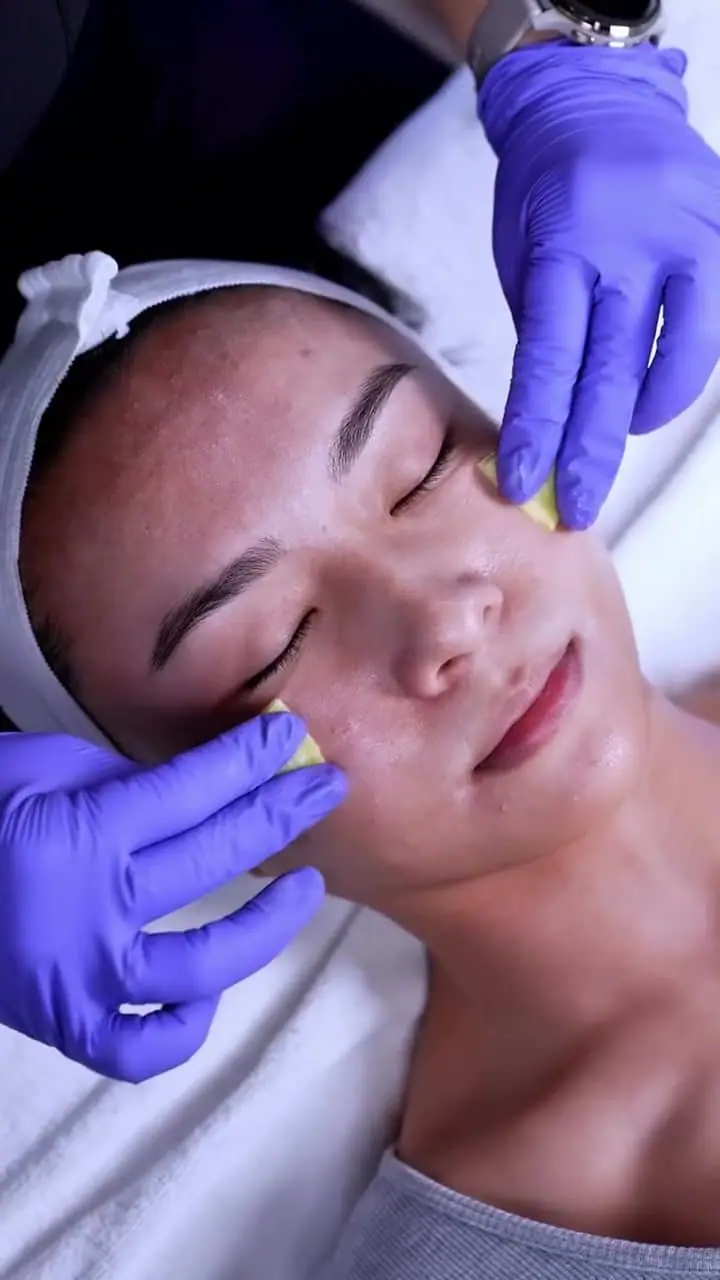
Peel aftercare is where results are protected.
A chemical peel can help with tone, texture, congestion, and dullness, but the treatment does not end when you leave the clinic. The days after a peel are when your skin is actively moving through a renewal process, and what you do during that window has a real effect on the result.
Most peel disappointment does not come from the peel itself. It comes from picking, sun exposure, restarting active products too early, or expectations that did not match the peel depth. This guide covers what is normal, what the timeline usually looks like, and when to reach out instead of guessing.
One note before the details: this guide describes light and medium peels, the kind most patients book at ZO Skin Centre Houston. Deeper physician-performed peels have a much more involved recovery, which is covered separately in the controlled depth peel guide.
What can be normal after a peel.
Depending on the peel type and depth, the following are usually part of the process rather than a problem:
- Tightness or dryness, often starting the first evening.
- Mild to moderate redness, similar to a light sunburn.
- Visible flaking or peeling, typically starting around day two or three.
- Darkening of pigmented spots before they flake away.
- Skin that feels more sensitive, warm, or reactive than usual.
- A waxy or slightly shiny look in the first day or two.
It is also normal to have very little visible peeling. Peel results come from the skin's renewal response, not from how dramatic the flaking looks. A peel that barely flakes can still deliver the tone and texture change it was designed for.
A realistic day-by-day timeline.
Every peel and every face is different, but a typical light-to-medium peel follows a rhythm like this:
- Day 0 (treatment day): Skin may look slightly red or feel tight and warm. Keep the routine minimal and follow the exact instructions you were given.
- Days 1-2: Tightness increases. The skin can look slightly darker or dull as the surface prepares to turn over. Fine lines may temporarily look more pronounced.
- Days 3-5: Flaking usually starts around the mouth and chin and spreads outward. This is the phase where picking does the most damage.
- Days 5-7: Peeling finishes for most light and medium peels. Fresh skin underneath can look pink and feel sensitive.
- Week 2 and beyond: Tone and texture improvements become easier to see as the new surface settles. Deeper benefits from collagen response continue developing over the following weeks.
Medium-depth peels can extend this timeline, and a series of lighter peels spreads the change over several rounds instead of one. Your provider will tell you which pattern to expect for the specific peel you had.
The aftercare rules that matter most.
Keep the routine simple. Hydrate, protect, and avoid adding anything active until your provider tells you it is time.
- Do not pick or peel the flakes. Pulling skin off before it is ready can create raw spots, prolonged redness, and pigment marks that outlast the peel's benefit. Let it release on its own.
- Sunscreen is non-negotiable. Freshly revealed skin is more vulnerable to UV. In Houston, that includes driving sun and quick errands, not just beach days. Daily SPF and real shade behavior protect the result.
- Use a gentle cleanser and moisturizer only. Wash with lukewarm water, pat dry, and keep the skin comfortable with the products your provider approved.
- Pause active ingredients. Retinoids, exfoliating acids, scrubs, and brightening actives stay out of the routine until your provider clears them. Restarting too early is one of the most common aftercare mistakes.
- Skip heat and heavy sweat for the first few days. Saunas, hot yoga, and intense workouts can intensify redness and irritation while the skin is renewing.
- Hold off on makeup until the skin allows it. Your provider will tell you when coverage is safe. Applying makeup over actively peeling skin tends to look worse and can irritate.

Why prepared skin recovers better.
Patients who prepped their skin before the peel, often with a ZO Skin Health routine, usually move through recovery more predictably. Conditioning the skin beforehand supports barrier strength and renewal, which is why providers talk about getting skin ready before treatments rather than treating cold.
If your peel is part of a longer plan, aftercare also includes knowing what comes next: another peel in the series, a maintenance schedule, or a different treatment once the skin has settled.
When to ask questions instead of waiting.
Most post-peel experiences are uneventful, but reach out to your provider promptly if you notice:
- Redness that intensifies after the first few days instead of calming.
- Blistering, crusting, or oozing beyond mild flaking.
- Discomfort that feels sharp or unusual rather than tight and dry.
- Signs of a cold sore starting, especially if you have a history of them.
- Darkening patches that persist after the peeling phase, which matters more for pigment-prone skin.
- Uncertainty about whether to restart a product.
Good aftercare should feel clear. If you are guessing, the answer is to ask, not to experiment on healing skin.
Frequently asked questions after a peel.
How long does peeling last after a chemical peel?
For most light and medium peels, visible flaking runs roughly days three through seven. Deeper peels take longer. Some peels produce almost no visible flaking and still work.
Can I speed up the peeling?
No, and trying usually backfires. Scrubbing, picking, or exfoliating peeling skin risks irritation and pigment marks. Moisturize, protect, and let it finish.
When can I wear makeup again?
Usually once the active peeling phase has finished and your provider confirms the skin is ready. Applying makeup over lifting flakes tends to draw attention to them.
When can I restart retinol after a peel?
Only when your provider clears it, which depends on the peel depth and how your skin recovered. Restarting actives early is a common cause of post-peel irritation.
What if my skin barely peeled?
That can be completely normal. The renewal response happens in the skin regardless of how dramatic the surface flaking looks. Judge the result at two to four weeks, not by the amount of flaking.
Is it normal for dark spots to look darker first?
Yes. Pigmented areas often darken before they flake away. If darkening persists well after recovery, contact your provider, especially if you are pigment-prone.
Planning your next step.
If you are still deciding on a peel, start with the chemical peel guide to understand which peel types fit which concerns, or compare a peel against a HydraFacial® if your goal is glow with no downtime. For advanced sun damage or deeper correction, read about the controlled depth peel.
Patients in Houston, River Oaks, Montrose, and Upper Kirby can book a chemical peel consultation, take the skin quiz, or contact the clinic to plan treatment around their calendar and sun exposure.
Medical aesthetic note.
This article is for general education and does not replace a personal consultation or your provider's specific aftercare instructions. Recovery, peeling, downtime, risks, and results vary by peel type, depth, skin type, and how aftercare is followed. Always follow the instructions you were given for your specific treatment.