Skin Quality & Tightening
Crepey Under-Eye Skin and Texture: What Actually Helps in Houston?
Crepey under-eye skin can come from texture, dehydration, thin skin, pigment, hollowness, or laxity. Learn where Skinvive, AquaGold, HydraFacial®, and eye-area planning fit.
Crepey under-eye skin is not always an under-eye filler problem.
The under-eye area is delicate. When the skin looks crepey, thin, dull, wrinkled, or textured, it is tempting to assume filler will fix it. Sometimes filler is part of the plan. Often, it is not the first step, and in some patients it can make the area look heavier instead of smoother.
Crepey under-eye skin can come from dehydration, texture change, pigment, thin skin, collagen loss, sun damage, hollowness, or a combination. Each of those causes points to a different treatment, which is why the under-eye area rewards diagnosis before booking.
At ZO Skin Centre Houston, eye-area concerns are planned around what is actually creating the crepey look, not around whichever treatment happens to be trending.
Why people in Houston search for crepey under-eye skin.
Houston is hard on the eye area. Years of UV exposure, driving sun, heat, outdoor weekends, and squinting all land first on the thinnest skin of the face. Add screens, allergies, dehydration, and normal collagen change, and the under-eye area often shows age before anything else does.
Common reasons patients ask about it include:
- Concealer settling into fine lines by mid-morning.
- Skin that looks crinkled or papery in photos and bright light.
- A tired look that does not match how rested they feel.
- Texture that showed up after weight loss or a stressful year.
- Filler from another clinic that made the area look puffy instead of smooth.
- Wanting improvement before a wedding, reunion, or event season.
The frustration is usually the same: the rest of the face looks fine, but the eyes are telling a different story.
Start by separating texture from hollowing, pigment, and puffiness.
Four different problems get described as "crepey under eyes," and they need four different plans:
- Hollowing creates shadow. Volume loss between the lower lid and cheek makes the area look dark and sunken even when the skin itself is healthy.
- Texture creates fine lines, makeup settling, and a thin or crinkled surface. This is true crepiness, and it is a skin-quality problem, not a volume problem.
- Pigment creates discoloration. Brown or blue-toned darkness can persist no matter how much sleep you get.
- Puffiness creates heaviness. Fluid, fat pads, or laxity can make the area look bulky, and adding anything to it usually makes that worse.
Most patients have more than one. The consultation exists to figure out the mix, because treating the wrong one wastes money and can make the area look stranger.
That is why this post supports the Tired-Looking Eyes Treatment Houston page instead of replacing it. The condition page is where the full diagnosis belongs.
Why the under-eye area ages differently.
The skin below the eye is among the thinnest on the body. It has less collagen to lose, less fat cushioning it, and it moves thousands of times a day with blinking, smiling, and squinting. Sun damage that a cheek can absorb quietly shows up under the eye as crepiness and fine lines much sooner.
That thinness is also why treatments have to be chosen carefully. Products, energy settings, and injectables that are safe elsewhere on the face may be too aggressive or simply wrong for this area. Restraint is not timidity here. It is the correct technique.
Where Skinvive may fit.
Skinvive is a skin-quality injectable used for selected patients who want smoother-looking, hydrated-looking skin quality. It is a hyaluronic acid microdroplet treatment, not a traditional contour filler, and it is not used to reshape or re-volumize the under-eye area.
When the main complaint is skin that looks dehydrated, crinkled, or dull rather than hollow, Skinvive may belong in the conversation. Your provider will confirm whether it fits near the concern or whether the area needs a different approach first.
Where AquaGold may fit.
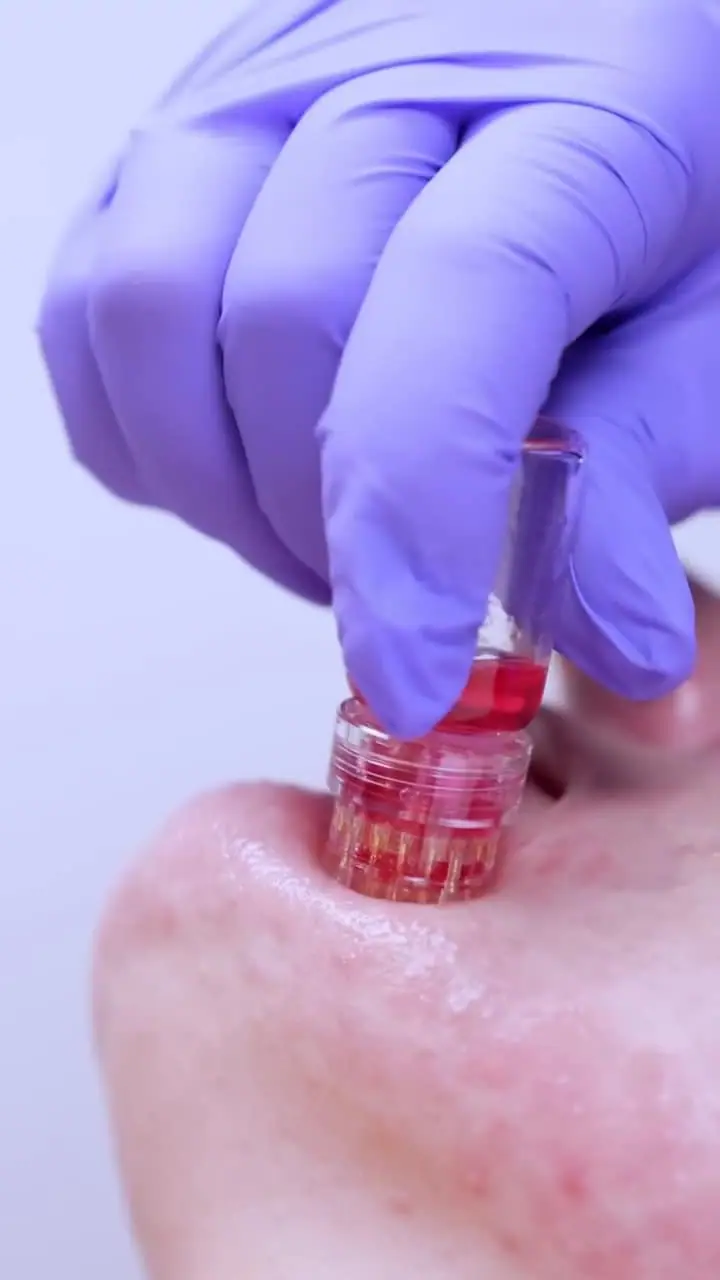
The AquaGold Facial uses fine gold-tipped microchannels to deliver a customized blend into the surface layers of the skin. It can support a polished, glow-focused finish for selected skin-quality goals, and it is often discussed for event prep or as a refinement step.
It may be considered when the concern is surface quality and glow rather than hollowing. It should not be presented as a cure for structural under-eye shadowing, and it will not lift laxity.
Where HydraFacial® may fit.
HydraFacial® may help when the skin looks dehydrated, dull, or congested. It supports surface hydration and glow, and for some patients it is the most sensible first step: get the skin calm, hydrated, and predictable before stronger treatments are considered.
It does not rebuild volume, replace deeper collagen treatments, or correct pigment on its own. Think of it as maintenance and preparation, not correction.
Where PRP and collagen-focused treatments enter the conversation.
For true crepiness, the underlying issue is often collagen quality in thin skin. Depending on candidacy, your provider may discuss PRP injections, conservative microneedling planning near the orbital area, or laser options selected for skin type.
These treatments aim at the skin itself rather than the space beneath it. They usually work gradually and may be planned as a series. That slower timeline is normal for collagen-focused care and should be explained honestly up front.
When filler enters the conversation, and when it should not.
If the issue is genuine hollowing, conservative filler planning may be discussed as part of under-eye rejuvenation. Placed carefully in the right candidate, it can soften shadow and make the area look more rested.
But filler treats volume, not skin quality. If the surface is crepey, filler underneath can stretch a thin, textured surface over a fuller base, which sometimes makes the crepiness easier to see. Filler in a patient with puffiness or fluid tendency can make the area heavier. Overcorrecting is harder to fix than undercorrecting.
The under-eye area rewards restraint. A provider who says "not filler, at least not yet" is often protecting your result.
If crepiness or laxity extends beyond the eye area to the face or neck, the non-surgical skin tightening guide covers what device-based tightening can realistically do.
Home care still matters, especially in Houston.
No in-clinic treatment holds up if the eye area keeps taking damage. Daily sunscreen, sunglasses, gentle products, and an eye-area routine appropriate for thin skin all protect whatever improvement a treatment creates. Houston sun exposure is a year-round factor, not a summer one.
Your provider may recommend ZO Skin Health support selected for the eye area, including how to use active ingredients like retinoids near the eyes without creating irritation that makes crepiness look worse.
Who may not be a candidate for eye-area treatment yet.
Your provider may recommend waiting or a different path if:
- The skin barrier is irritated, reactive, or over-exfoliated.
- Allergies or fluid retention are driving puffiness that treatment cannot fix.
- Prior filler is still present and needs evaluation or dissolving first.
- Pigment risk makes certain energy-based treatments unwise for your skin type.
- The concern is significant laxity or festooning that needs a surgical opinion.
- Expectations are set on a result that injectables and skin treatments cannot deliver.
That honesty is the point of a consultation. The eye area is not a place to experiment.
Crepey under-eye decision guide.
- Start with skin-quality treatments like Skinvive, AquaGold, or HydraFacial® when the surface looks crinkled, dehydrated, or dull but the contour is fine.
- Discuss conservative filler or PRP when shadow and hollowing are the main story and the skin quality is reasonable.
- Prioritize pigment planning when darkness persists regardless of sleep and the skin texture is secondary.
- Get prior filler evaluated before adding anything if the area looks puffy, heavy, or different from how it started.
- Ask about a surgical opinion when laxity or bulging is beyond what non-surgical care can honestly improve.
Frequently searched questions.
Can crepey under-eye skin be fixed?
It can often be improved, but the right plan depends on whether the issue is texture, dehydration, pigment, hollowing, or laxity. Most patients have a combination, and the plan is usually staged rather than a single appointment.
Is filler good for crepey under eyes?
Not usually by itself. Filler can help selected hollowing, but crepey texture is a skin-quality problem. Adding volume under thin, textured skin can sometimes make the crepiness more visible.
Does HydraFacial® help under-eye texture?
HydraFacial® can support surface hydration and glow, which helps skin that looks dull or dehydrated. Deeper texture, pigment, or laxity usually needs a different plan.
Is Skinvive the same as filler?
No. Skinvive is a hyaluronic acid skin-quality treatment designed to improve how smooth and hydrated skin looks. It is not a contour filler used to reshape the face or fill hollows.
What about lasers or microneedling under the eyes?
They may be discussed for selected patients, but settings, depth, and skin type matter more here than anywhere else on the face. This is a physician-supervised decision, not a menu pick.
Why do my under eyes look worse after filler?
Possible reasons include swelling, product choice, placement, migration, or being a texture patient who received a volume treatment. An evaluation can determine whether waiting, dissolving, or a different plan makes sense.
How long do skin-quality treatments take to work?
Hydration-focused treatments can improve the look of the area quickly, while collagen-focused treatments like PRP or microneedling work gradually over weeks to months and may need a series.
Can I treat crepey under eyes before an event?
Glow and hydration treatments can be planned close to events. Collagen treatments, injectables, and anything with swelling or downtime should be scheduled with a realistic buffer, not the week before.
Why the provider matters.
The under-eye area has the least room for error on the face. The provider should be able to explain what is causing the crepey look, why the recommended treatment matches that cause, what it cannot do, and what the backup plan is if the area responds differently than expected.
That is the standard at ZO Skin Centre Houston, where eye-area planning is overseen by Dr. Mark Khorsandi and built around diagnosis before treatment.
Book an under-eye consultation in Houston.
If you are searching for crepey under-eye treatment in Houston, River Oaks, Montrose, Upper Kirby, or nearby central Houston, start with a consultation rather than guessing which treatment to book.
If your main concern is looking tired, start with Tired-Looking Eyes Treatment. If crepiness extends beyond the eye area — neck, chest, or arms — see the full crepey skin treatment guide. If the concern is skin quality, compare Skinvive, AquaGold Facial, HydraFacial®, and Under-Eye Rejuvenation. You can also take the skin quiz or contact the clinic to plan your visit.
Medical aesthetic note.
This article is for general education and does not replace a personal consultation or medical evaluation. Treatment candidacy, product choice, technique, downtime, risks, and results vary by patient, anatomy, skin type, medical history, prior treatments, and goals.