Before + after case
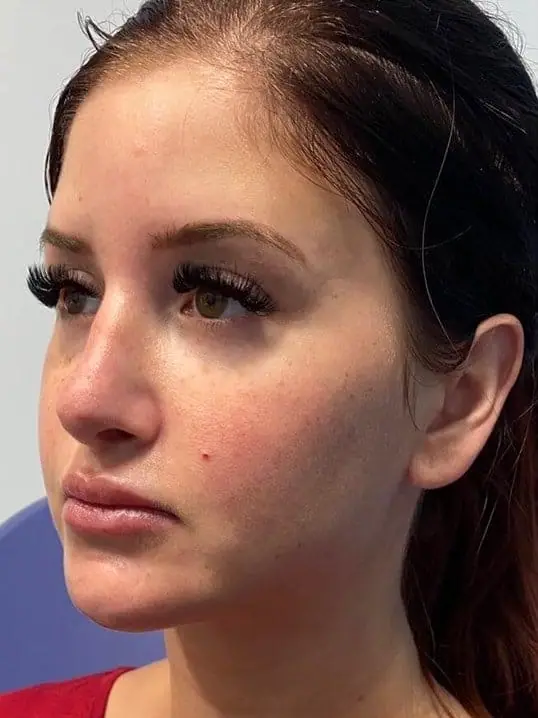
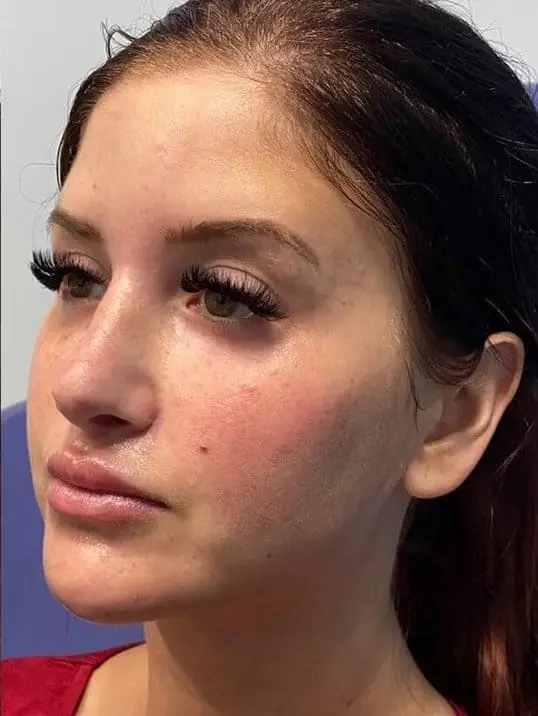
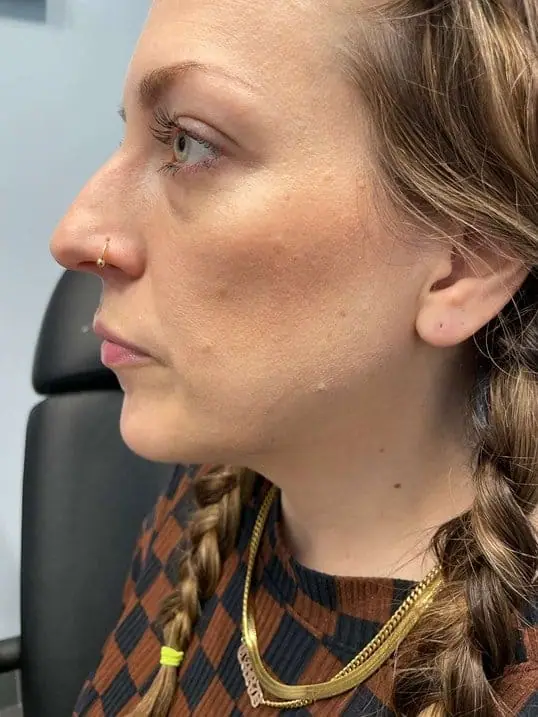
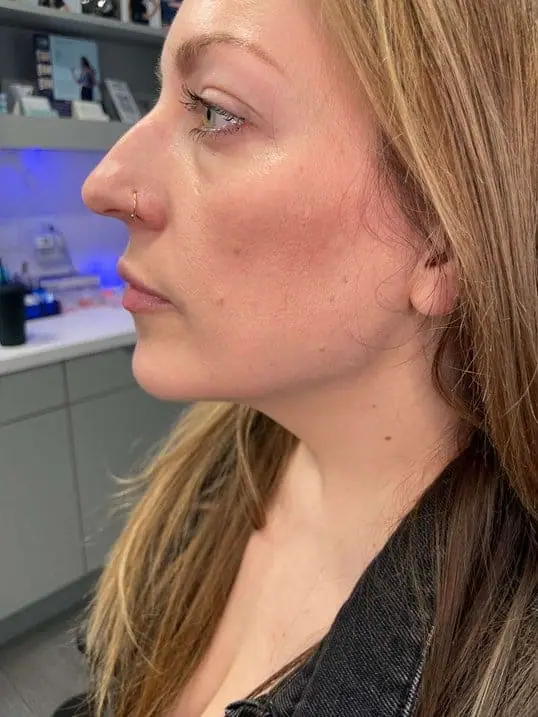
Treating Tear Trough's with Restylane Lyft
Restylane Lyft is a hyaluronic acid-based dermal filler primarily used to add volume and lift to the midface and cheeks.
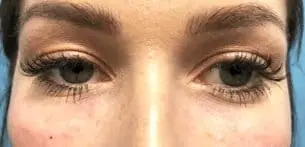
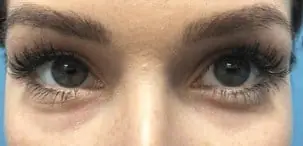
Restylane Lyft is a hyaluronic acid-based dermal filler primarily used to add volume and lift to the midface and cheeks.
Case information
Procedure details
A documented ZO Skin Centre treatment plan.
Restylane Lyft is a hyaluronic acid-based dermal filler primarily used to add volume and lift to the midface and cheeks.
Restylane Lyft - Tear Troughs
Purpose
Volume Restoration
: Restylane Lyft is used to restore lost volume and smooth the transition between the lower eyelid and the cheek.
Reducing Hollows
: It helps fill in hollow areas under the eyes (tear troughs) to minimize the appearance of dark circles and tiredness.
Enhancing Support
: By providing support and structure, Restylane Lyft can improve the overall appearance of the under-eye area.
Benefits of Using Restylane Lyft for Tear Troughs
Volume Enhancement
: Restylane Lyft adds volume to the tear troughs, reducing the appearance of sunken or hollow areas.
Smooth Transition
: It creates a smoother transition between the lower eyelid and the cheek, resulting in a more youthful and refreshed look.
Long-Lasting Results
Minimally Invasive
: The procedure is minimally invasive, with minimal downtime and discomfort.
This case was documented by ZO Skin Centre Dallas and is shared within the ZO Skin Centre clinic portfolio. The provider cards below show who offers related care at ZO Skin Centre Houston; they do not identify the original treating provider.
Houston treatment team
Who can provide related care.
Your Houston consultation confirms candidacy, treatment choice, timing, and whether the same approach is appropriate for your goals.


Related treatment paths
Compare the care behind this case.
More documented results
Continue through this treatment gallery.
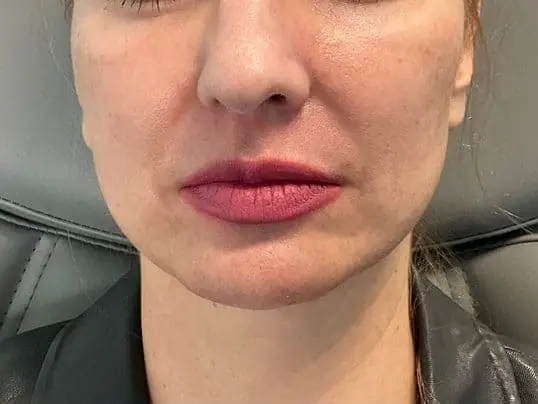
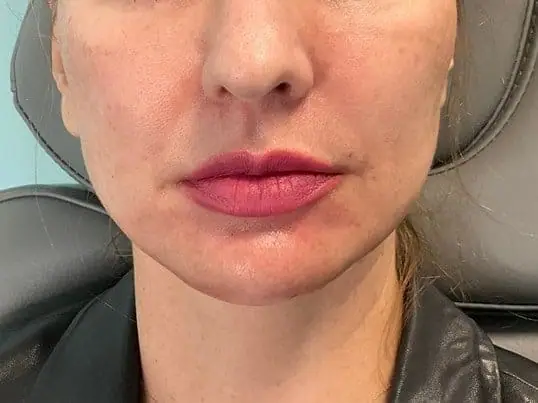
Individual planning matters
Start with a Houston consultation, not someone else's result.
Individual results vary. Images may include models. A provider must confirm candidacy, risks, sequence, and realistic expectations for your skin and anatomy.