Cheek deflation
The midface loses projection. Smile lines deepen, and the face can look longer even when weight is stable.
Houston condition plan
Hollow Cheeks, Temples, and a Deflated Face
Volume loss is the change people describe as looking tired or severe when they do not feel either. The cheeks flatten. The temples hollow. The fold from nose to mouth gets deeper because there is less cheek above it. Tightening the skin, or relaxing a wrinkle, does not put that support back.
Medically reviewed by Dr. Mark Khorsandi, founder and medical director of ZO Skin Centre Houston · Last reviewed October 2026. This page is for education and does not replace a personal consultation.
The short version
A deflated face is missing support, not just carrying extra lines.
Sculptra® rebuilds collagen gradually across cheeks and temples. Filler shapes a specific hollow sooner.
Facial balancing matters when one filled spot would make the rest of the face look emptier.
Wrinkle relaxers and threads do not replace cheek or temple volume.
Treatments that can help
These are the in-office options for this concern. The role is the decision. The treatment page covers the procedure.
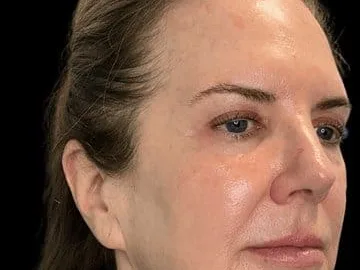
Photos are clinic patients, showing the concern. They are not the result.
Rebuilds collagen gradually across hollow cheeks, temples, and a deflated lower face.
The change is diffuse and the goal is support over a few months, not instant fill.

Immediate shape for a specific hollow that needs a defined edge.
One area, such as a temple or cheek, is the whole complaint and a gradual rebuild is not the fit.
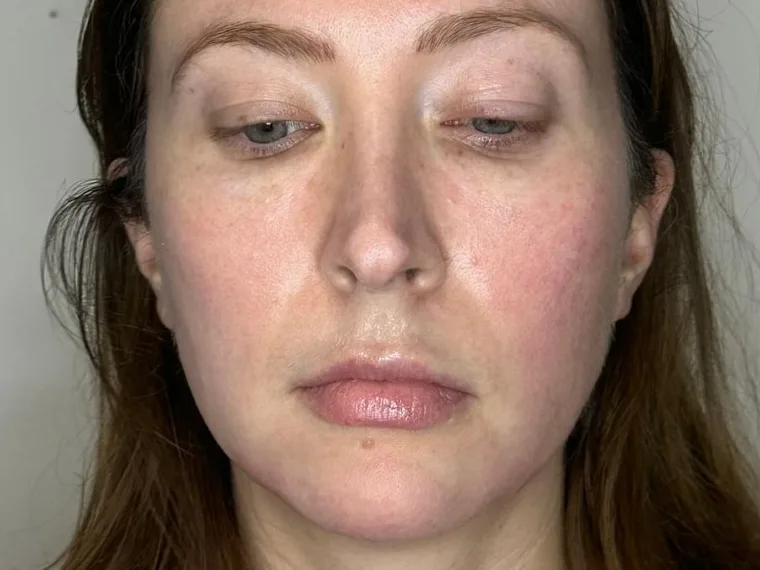
Maps cheeks, chin, and lips together when volume loss has changed the whole proportion.
Filling one spot would make another area look more hollow.
A relaxer softens movement lines. It does not put support back under the skin.
The face looks gaunt or flattened, and the lines are a side effect of that deflation.
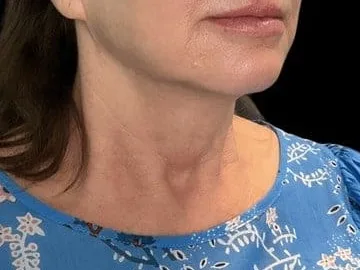
Threads are a lift conversation. They do not replace missing cheek or temple volume.
The finding is hollowing, not a jawline that needs repositioning.
What's actually happening
Facial fat pads shrink and drop with age, weight change, and sometimes after illness or a very lean stretch. The skin on top may be fine. What changed is the structure under it. Hollow temples make the brow look heavier. Flat cheeks make the under-eye and the smile line look worse than they are. Filling only the line, and ignoring the cheek that caused it, is the pattern that looks striped instead of restored.
The midface loses projection. Smile lines deepen, and the face can look longer even when weight is stable.
A hollow temple changes the frame of the eye and can make the upper face look gaunt in photos.
Loss along the jaw and chin changes the profile. Some of that is volume. Some of it is laxity. They are not the same treatment.
A leaner face shows deflation faster. The plan has to respect current weight, not the face from five years ago.
Why the usual fixes fail
Volume loss gets sold as skin tightening, a thread lift, or a wrinkle relaxer because those are the tools on the menu. None of them replace a cheek.
Radiofrequency on skin that is draping because the support underneath is gone. The device can help texture. It will not fill a temple.
Smile-line filler with a flat cheek above it looks heavy in the fold and empty everywhere else.
Diffuse loss across the cheeks and temples is a series, usually Sculptra®, not a single syringe chased around the face.
How we treat it
The plan maps where the face lost support, then chooses gradual collagen stimulation, a defined filler, or a full-face balance. Laxity that remains after support is restored can move to the skin-tightening page. Lines from expression stay on the wrinkle page.
Cheeks, temples, under-eyes, and the jaw are looked at together. A hollow under the eye is often the shadow of a flat cheek, which changes where treatment starts.
Sculptra® for diffuse loss that should return gradually. Dermal filler when one area needs shape at the visit. Most faces are not both, everywhere, on day one.
Facial balancing when cheeks, chin, and lips have to move together. Filling the cheek and ignoring a recessed chin can make the profile look newer and still unfinished.
A wrinkle relaxer is for movement lines. PDO threads are a lift. Skin tightening is for laxity that remains after support is back.
Filler shape is visible once swelling settles, over days to two weeks. Sculptra® is slower on purpose: collagen shows over about 6 to 12 weeks per round, and most plans are a series. The result should look like support, not a bigger face.
"I thought I needed my lines erased. The cheeks had just gotten quieter."
Go deeper
Sculptra® prompts your own collagen across a region. It fits hollow cheeks, temples, and a generally deflated face when you can wait for the result. Dermal filler is hyaluronic acid placed for a specific shape, visible sooner, and reversible. Some plans use filler for a defined edge and Sculptra® for the field around it. They are not interchangeable syringes.
The Sculptra® page owns the product: sessions, what the vials do, and who is a candidate. This page is the decision that the problem is volume loss in the first place.
Deflation and laxity often arrive together, and people book the one they have heard of. If you can see a hollow at the temple or a flat cheek in a straight-on photo, support comes before tightening. If the jawline has softened but the cheeks are still full, the skin tightening plan is the closer fit. Doing threads or Morpheus8® on an empty cheek tightens a surface that still has nothing under it.
A tired under-eye is frequently the shadow from a cheek that no longer holds the lid-cheek junction. Filler placed only in the tear trough, on a flat cheek, is a common reason the area looks puffy later. The tired-eyes plan covers pigment, crepe, and true hollows. Volume loss is the page for the cheek and temple that create the shadow.
What it costs
Volume-loss plans are quoted after the map: Sculptra® is usually a series, filler is priced by the syringe and the area, and a balancing plan may use both. The consultation is complimentary when booked through our Houston clinic booking flow. You leave with a written plan either way.
Book NowRelated plan paths
Why ZO Houston
A ZO Skin Centre is different because the visit starts with a plan, not a menu. Your provider reviews skin behavior, tolerance, products, timing, and goals before recommending treatment. We use physician-grade ZO protocols, document the plan clearly, and tell you no when a service is not the best fit.
Diffuse hollowing usually starts with Sculptra®, because it rebuilds collagen across the cheek instead of dropping one pocket of gel. A single, well-defined hollow may be filler. The consultation decides which pattern you have.
No. Wrinkles from movement are a relaxer decision. Volume loss is missing support, and it makes folds look deeper. Treating the fold and ignoring the cheek is why some filler looks obvious.
Collagen from Sculptra® builds over roughly 6 to 12 weeks after a session, and most patients need a series. It is the wrong choice if you need a specific shape before an event next week. Filler is the sooner tool, with its own tradeoffs.
Tightening can help mild laxity and texture. It does not replace a hollow temple or a flat cheek. If both are present, support usually comes first. The skin tightening page is for the laxity that remains.
It can, if it is placed without a map. The goal of a volume plan is to put support where it was lost, in amounts that match the rest of the face. That is also why some visits end with less product than a patient expected.
Ready for your complimentary consultation?
If the face looks tired because it looks emptier, start with a map of the hollows.